


Is Your South Carolina Mortgage Underwater? Here’s What You Can Do.
Navigating the real estate market can be difficult, particularly if your mortgage is underwater. While this term may seem overwhelming, there’s no need for concern. We’re here to explain what it means and to walk you through what you can do if your mortgage in South Carolina is underwater.
An underwater mortgage happens when the amount owed on a home loan exceeds the property’s current value. This situation can arise due to several factors, including a drop in the housing market or buying at a peak price. For homeowners in South Carolina, this can be especially worrying if you plan to sell or refinance your home.
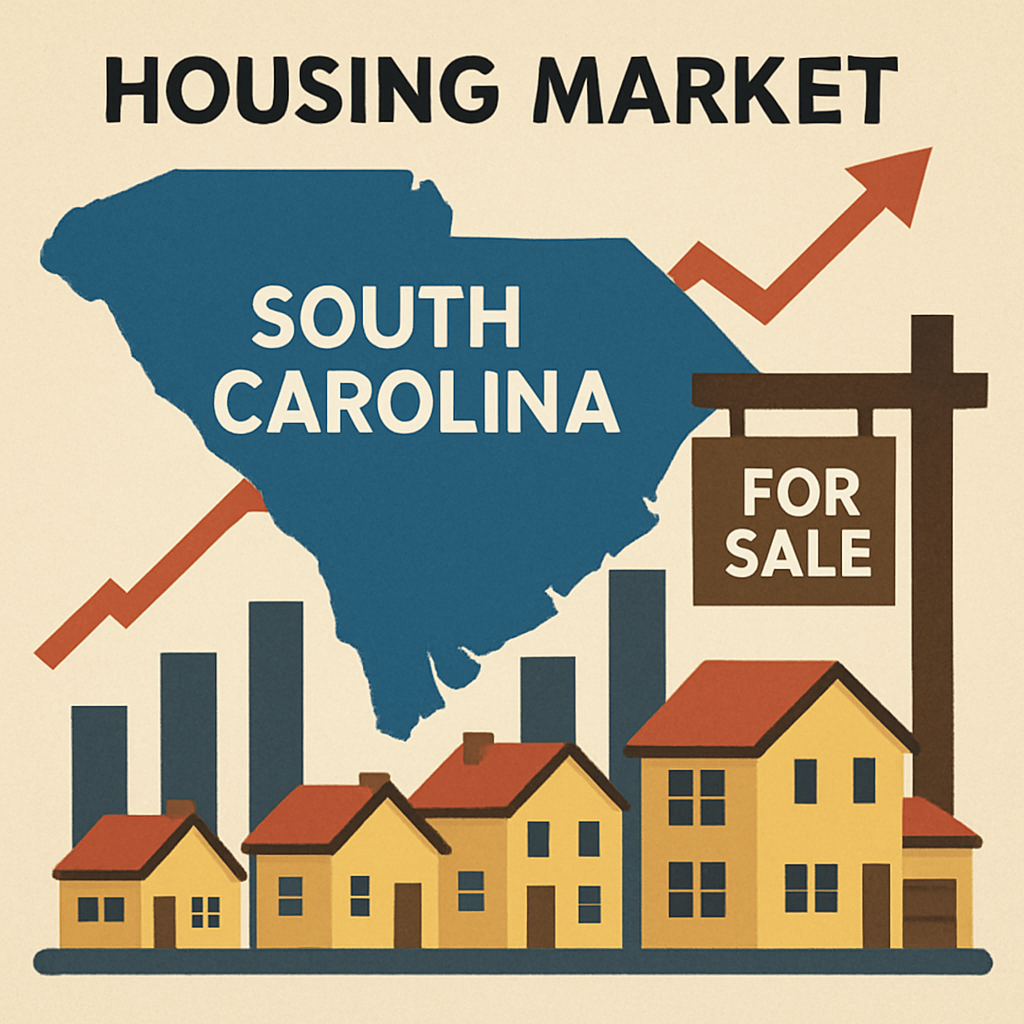
Understanding the South Carolina Housing Market
The real estate market in South Carolina has its own distinct characteristics. Local economic conditions, job availability, and natural disasters can all affect property values. Grasping these factors can assist you in making informed choices about your property.
The Impact of Local Economic Conditions
South Carolina is seeing growth in jobs with manufacturing and technology compaines. This could have a positive impact on the housing market. Economic downturns can lower property values. This may lead to homeowners owing more on their mortgages than their homes are worth.
Natural Disasters and Property Values
South Carolina’s location along the coast exposes it to hurricanes and flooding. These natural events can damage homes and impact property values, often leading to underwater mortgages.
What to Do If Your Mortgage Is Underwater
Facing an underwater mortgage? Here are a few strategies you might want to explore:
1. Gather Information and Evaluate Your Situation
Start by collecting all relevant details about your mortgage and the present market value of your home. Knowing how much you’re underwater will guide your next steps.
2. Look into Refinancing Opportunities
If interest rates have fallen since you got your mortgage, refinancing could be an option. Keep in mind, refinancing an underwater mortgage is tough, as lenders often need some home equity.
3. Check Out Loan Modification Programs
Some lenders provide loan modification programs aimed at easing mortgage payments. This could include reducing your interest rate, lengthening the loan term, or even cutting down the principal balance.
4. Investigate Government Assistance Programs
There are federal programs to support homeowners with underwater mortgages. For example, the Home Affordable Refinance Program (HARP) assists those who are current on payments but owe more than their home’s worth.
Selling Your Home with an Underwater Mortgage
Selling a home with an underwater mortgage can be complicated, but it’s not impossible. Here are a few options to consider:
1. Short Sale
A short sale involves selling your home for less than the remaining balance on your mortgage. This requires lender approval, and while it can impact your credit score, it’s often less damaging than a foreclosure.
2. Rent Out Your Property
If selling isn’t feasible, consider renting out your home. This can help cover mortgage payments and buy you time while waiting for the market to improve.
3. Strategic Default
Strategic default means choosing not to make mortgage payments and letting the home go into foreclosure. This should be a last option because it can hurt your credit score and make it hard to get loans in the future.
Working with Real Estate Professionals

Dealing with an underwater mortgage can be complicated, but you don’t have to face it on your own. Working with seasoned real estate experts can offer essential advice and support. Here’s how they can assist:
1. Real Estate Agents
An experienced real estate agent can help you grasp market trends and assess your options. They can also assist in negotiating with lenders if a short sale is on the table.
2. Mortgage Advisors
A mortgage advisor can provide information about refinancing and loan modification opportunities. They can help you understand the financial impact of each choice and guide you toward a decision that fits your objectives.
3. Legal Assistance
Sometimes, you might need to consult a real estate attorney, especially if you’re thinking about strategic default. An attorney can give legal advice and make sure you understand the possible outcomes.
Planning for the Future
Facing an underwater mortgage can be challenging, but it’s vital to concentrate on your long-term goals. Here are some steps to aid in crafting a future plan:
1. Enhance Your Financial Well-Being
Focus on boosting your credit score and saving for upcoming investments. This may improve your ability to get better refinancing options or future home purchases.
2. Track the Housing Market
Stay informed about changes in the South Carolina housing market. Understanding the market trends can help you make smart decisions about your property.
3. Establish Realistic Goals
Consider your long-term financial and housing goals. Whether you want to stay in your current home or move, having clear goals can help you make better choices.
We’re here to assist you, offering choices without any pressure
An underwater mortgage in South Carolina doesn’t have to spell the end of your homeownership dreams. By learning about your options and partnering with experts, you can confidently tackle this tough situation. Keep in mind, the real estate market is always shifting, and with the proper strategies, you can discover a solution that matches your goals. Stay informed, seek expert guidance, and concentrate on creating a stable financial future.
Ready to Sell Your Mobile Home Fast for Cash?

Related Articles
-
5 Ways to Stop Foreclosure in South Carolina
Navigating the threat of foreclosure can be a daunting experience, especially if you’re unfamiliar with the process. In South Carolina, homeowners have different ways to stop foreclosure and keep their homes…
-
How to Avoid Foreclosure in South Carolina
Dealing with the possibility of foreclosure can be overwhelming. If you own a home in South Carolina and are struggling to make your mortgage payments, it’s important to know your…
-
What is a Short Sale and How Does It Benefit You?
Short sales offer various benefits to both sellers and buyers, including the avoidance of foreclosure, reduced credit impact, the opportunity for buyers to acquire properties at discounted prices, and the…
-
What is a Pre-Foreclosure in Greenville?
With millions of homes across the country going into foreclosure, it’s important for both buyers and mortgage holders to understand the process. So what is a pre-foreclosure in Greenville anyway? Many…
-
How To Avoid Foreclosure of Your House in Greenville SC
You must act quickly at the first sign your lender or mortgage company is moving towards foreclosure proceedings in order to avoid the expenses, long term financial impact, and emotional…
-
5 Ways to Stop Foreclosure in South Carolina
Navigating the threat of foreclosure can be a daunting experience, especially if you’re unfamiliar with the process. In South Carolina, homeowners have different ways to stop foreclosure and keep their homes…
-
Is Your South Carolina Mortgage Underwater?
Is Your South Carolina Mortgage Underwater? Here’s What You Can Do. Navigating the real estate market can be difficult, particularly if your mortgage is underwater. While this term may seem…
-
5 Tips for Siblings Dealing With Inherited Property in South Carolina
Have you inherited property in South Carolina? Sadly, without proper forethought, you may suddenly face life without your parents, who have left their property to all of their children without…
-
How to Handle an Inherited Property in South Carolina With No Will
Inheriting real estate in South Carolina can be a complicated process, especially if there isn’t a will in place. But by following these steps and getting professional help when needed,…
-
How to Price Your Inherited Home in South Carolina
Selling an inherited property can be a mixed experience. While it is a cherished gift from a departed loved one, it can also become a financial burden. Selling it allows…